



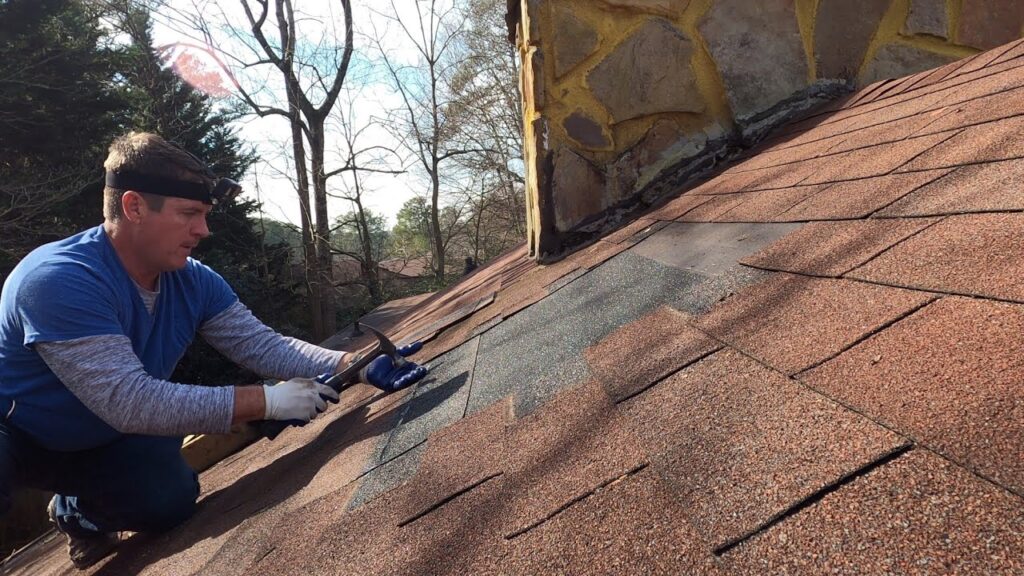
A missing shingle is not a cosmetic flaw. It is a breach point. Once even one shingle lifts away, the roof’s water-shedding system stops functioning as a continuous layer, and every layer beneath it — underlayment, decking, insulation, drywall — becomes the next line of defense against Calgary’s weather. This guide covers the full context around missing shingle replacement: why it happens here specifically, how to recognize it early, what the repair process actually involves, and how to evaluate a roofing contractor before you hire one.
Why Calgary Roofs Lose Shingles More Than Most
Calgary sits in a climate zone defined by rapid pressure and temperature swings. Chinook winds can push temperatures up by 15–20°C within hours, then drop again just as fast. That freeze-thaw cycling stresses the asphalt matrix in shingles, making them brittle at the edges — the first place wind gets a grip.
Add to that Calgary’s hail exposure. The city sits inside what insurers call “hailstorm alley,” one of the highest-frequency hail corridors in Canada. Hail doesn’t just crack a shingle; it bruises the mat underneath, which often isn’t visible until the shingle later breaks free during a wind event. This is why a roof can look intact after a hailstorm and still lose shingles weeks or months later — the damage was structural before it was visible.
Wind uplift, aging asphalt, poor original nailing patterns, ice damming at the eaves, and falling debris from mature trees round out the main causes. None of these are unique to Calgary individually, but the combination — hail plus chinooks plus harsh winters —Missing Shingle Replacement Services in Calgary make shingle loss a recurring, seasonal issue for the city specifically, rather than a one-time event.
Reading the Signs Before the Leak Starts
Most homeowners discover missing shingles only after water has already entered the attic. The earlier signals are quieter:
- Granules collecting in gutters or at downspout exits
- A shingle or shingle fragment on the lawn after a windy day
- A patch of roof that looks a slightly different color or texture than the rest
- Curling or lifted edges on shingles adjacent to a bare spot
- A faint water stain forming on an interior ceiling, usually near an exterior wall
Any one of these on its own is worth a look. Two or more together usually mean it’s time for a roof inspection, not a wait-and-see approach. The gap between “shingle went missing” and “water reached the decking” can be as short as a single rainstorm, especially on a low-slope section of roof.
What Replacement Actually Involves
Replacing a missing shingle correctly is more than sliding a new one into the gap. A properly done repair includes:
- Inspection of the surrounding field, not just the bare spot — checking whether neighboring shingles are also compromised or close to failing.
- Underlayment check. If the felt or synthetic underlayment beneath the missing shingle was exposed for any length of time, it may already be saturated or torn.
- Material matching, both in shingle type (3-tab vs. architectural/laminate) and in color batch, since asphalt shingle color can shift between manufacturing runs over a few years.
- Correct nailing pattern and sealant placement, following the shingle manufacturer’s wind-rating specifications rather than a generic install.
- A final walk of the repaired section to confirm the new shingles tie into the surrounding coursing without creating a new water-trap seam.
Skipping any of these steps is how a “quick fix” turns into a repeat call six months later.
How Homeowners Should Evaluate a Roofer for This Job
Because missing shingle repair looks simple from the ground, it attracts contractors who treat it as a five-minute patch job. A few questions separate a durable repair from a temporary one:
- Will they inspect the attic from the inside, not just the roof from the outside?
- Do they document damage with before-and-after photos, which are useful for insurance claims tied to hail or wind events?
- Can they match your specific shingle profile, or will the patch be visibly different?
- Do they offer a workmanship warranty separate from the shingle manufacturer’s material warranty?
A contractor who answers these clearly, without hedging, is generally one who does this work often enough to have a real process — not just a truck and a nail gun.
The Cost of Waiting
A single missing shingle, replaced promptly, is typically one of the least expensive roofing repairs available. Left unaddressed through even one Calgary winter, the same spot can lead to soaked insulation, damaged drywall, and, in some cases, mold remediation — repairs that run into the thousands rather than the hundreds of dollars. The math almost always favors early action.
If you’ve spotted granules in the gutter, a bare patch on the roofline, or a shingle in the yard after last week’s wind, treat it as a signal worth checking rather than a minor cosmetic issue. In Calgary’s climate, small gaps rarely stay small for long.